Built For the Long Haul
After Hurricane Helene tested the historic estate, a commitment to the land, cattle and community continues to shape its future.

Thirty-one inches of rain in 48 hours tested more than the roads, pastures and forests at Biltmore Estate. It tested a 130-year-old commitment to keep the nation’s largest home operating as a private, profitable, working agricultural estate.
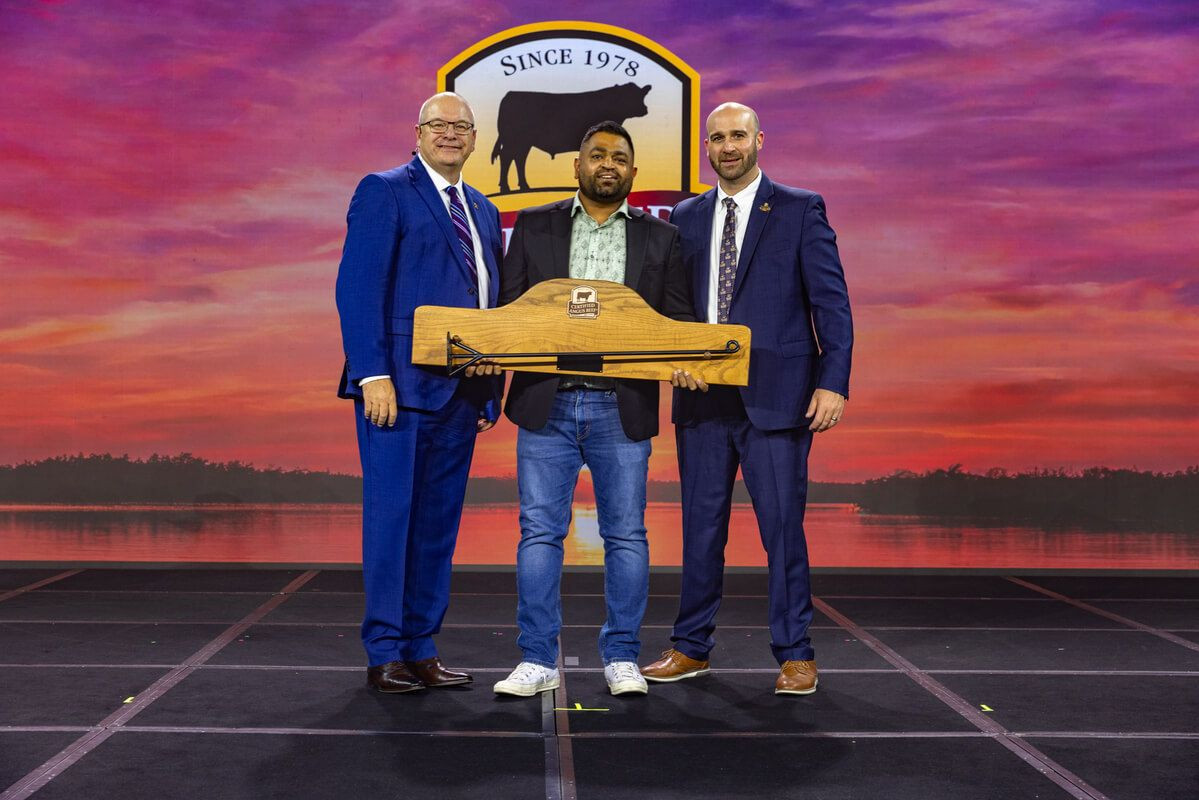
That commitment — to land, livestock and community — helped earn Biltmore Estate the 2026 Certified Angus Beef Sustainability Award.
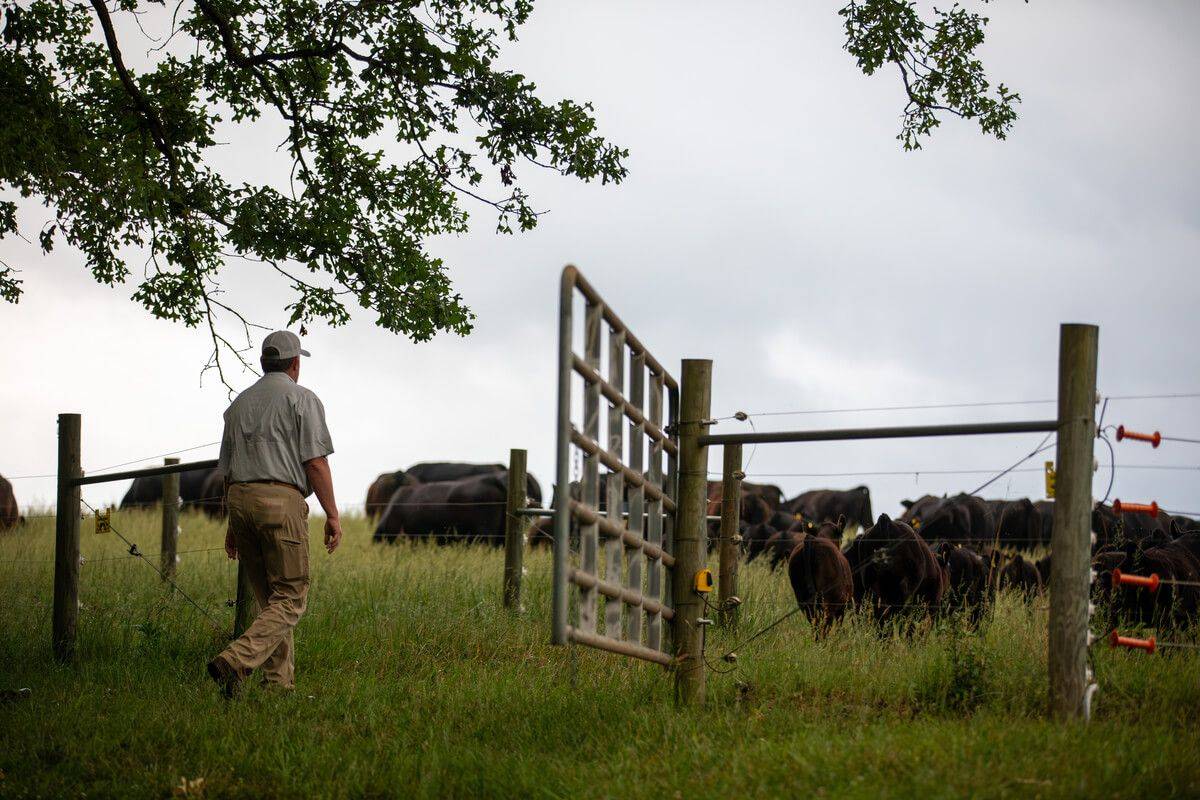
When George Vanderbilt began building Biltmore in 1895, he envisioned more than a grand estate in the Blue Ridge Mountains. He wanted a self-sustaining operation rooted in agriculture, forestry and stewardship. Five generations later, that vision still guides the 8,000-acre property near Asheville, North Carolina, where about 700 head of Angus cattle graze the estate.
Today, forestry and agriculture remain central to Biltmore’s identity and business model. Its closed-loop system supplies Biltmore-raised beef, lamb and pork to eight on-site restaurants while connecting land management, food production and guest experience
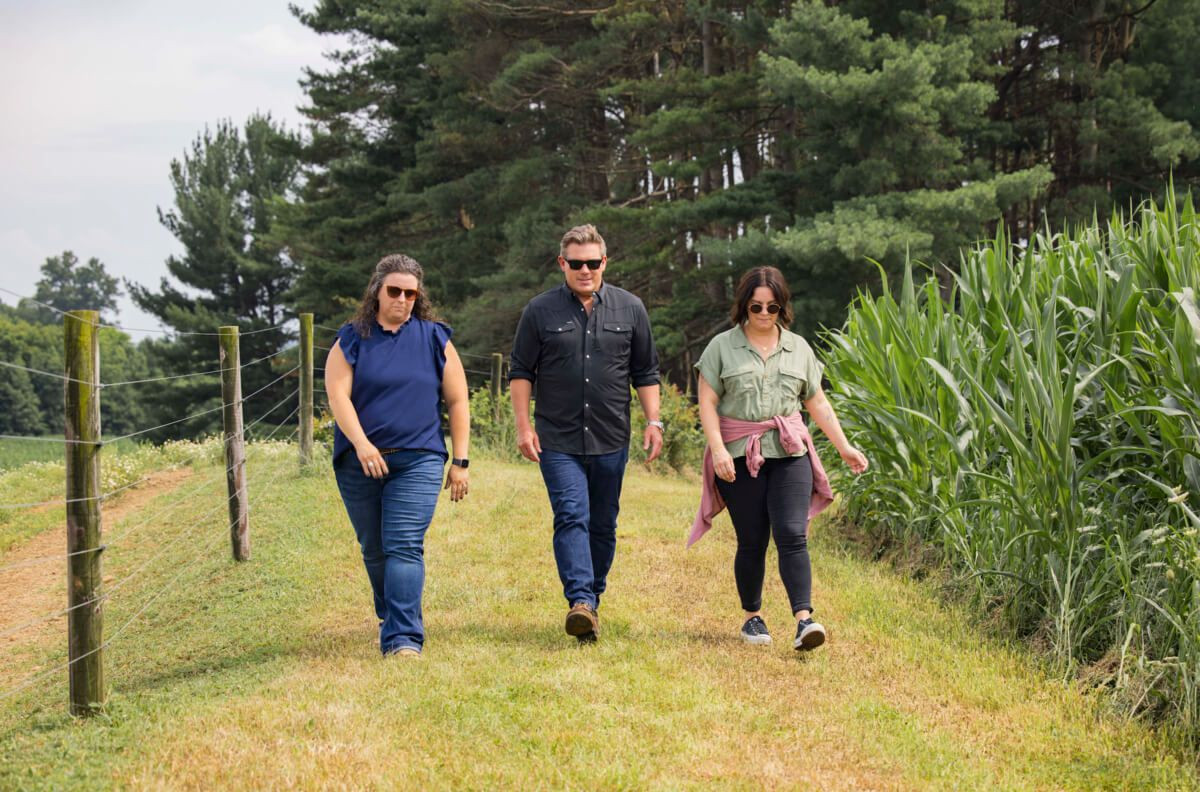
“My central role and belief is preserving this part of our property as an agricultural enterprise,” says Kyle Mayberry, Biltmore director of agriculture. “We do that through profitability. We do that through new technology. We do that through adaptation and innovation to what the market demands and what our guests demand.”
That purpose was tested in September 2024, when Hurricane Helene brought wind, flooding and historic rainfall to Biltmore and the Asheville area. Wind ripped through wooded mountainsides, landslides damaged fields and pastures, and the French Broad River flooded through the heart of the estate.
Biltmore closed its doors for only the third time in its history, and the owning family committed $2 million to a community relief fund. In November, the estate’s rescheduled production sale included a fundraising lot that returned nearly $40,000 to area agricultural recovery efforts.
“Recovery after Helene is not a one- or two-year process,” Mayberry says. “For many in this area, it will be a lifetime process. People lost homes and businesses, some even lost family members. Lives changed.”
That broad view of responsibility — to the land, livestock and surrounding community — is woven into Biltmore’s agriculture program. Soil and water are tested regularly for nutrient composition. Pastures are rotated, sometimes with multiple livestock species. Thousands of forested acres are managed, and the team plants hundreds of trees each year.
A few years ago, Biltmore dedicated space and staff to composting everything from livestock manure to restaurant food waste. The aerated stack compost facility supports on-property gardens, landscaping, crop fields and pasture nutrient needs. Bees produce honey for guests while serving as pollinators across the property. Wildlife, forests, crops and livestock are all part of the same system.
The Angus cow has a job in that system, too.
Since Mayberry joined the Biltmore team seven years ago, the livestock program has leaned into high-quality Angus beef to create a more consistent cooking and eating experience for chefs and guests. Through Biltmore Grown®, guests can now take home or ship the estate’s steaks and ground beef.
Designed after COVID-19 disrupted traditional markets, Biltmore Grown® created another outlet for guests to access the steaks and cuts they had come to appreciate at Biltmore. As of 2026, Biltmore is also a Certified Angus Beef Ranch to Table® partner, adding another layer of confidence for customers ordering beef to their doorstep.

“When we think about growing the Biltmore Grown® brand, not only does it drive profitability for this business unit, but for our ranching customers too,” Mayberry says. The long-term goal is to build that allows the team to buy back calves that were sired by Biltmore bulls, creating market access for small farms in the region.
After Helene, the estate planted 1,000 white oak trees, with plans for 5,000 more, to help restore the land after the hurricane. Mayberry says those investments reflect Biltmore’s ability to think beyond short-term returns.
“We are so fortunate to work for a place that lets us look in hundred-year windows, not just short-term viewpoints,” he says.