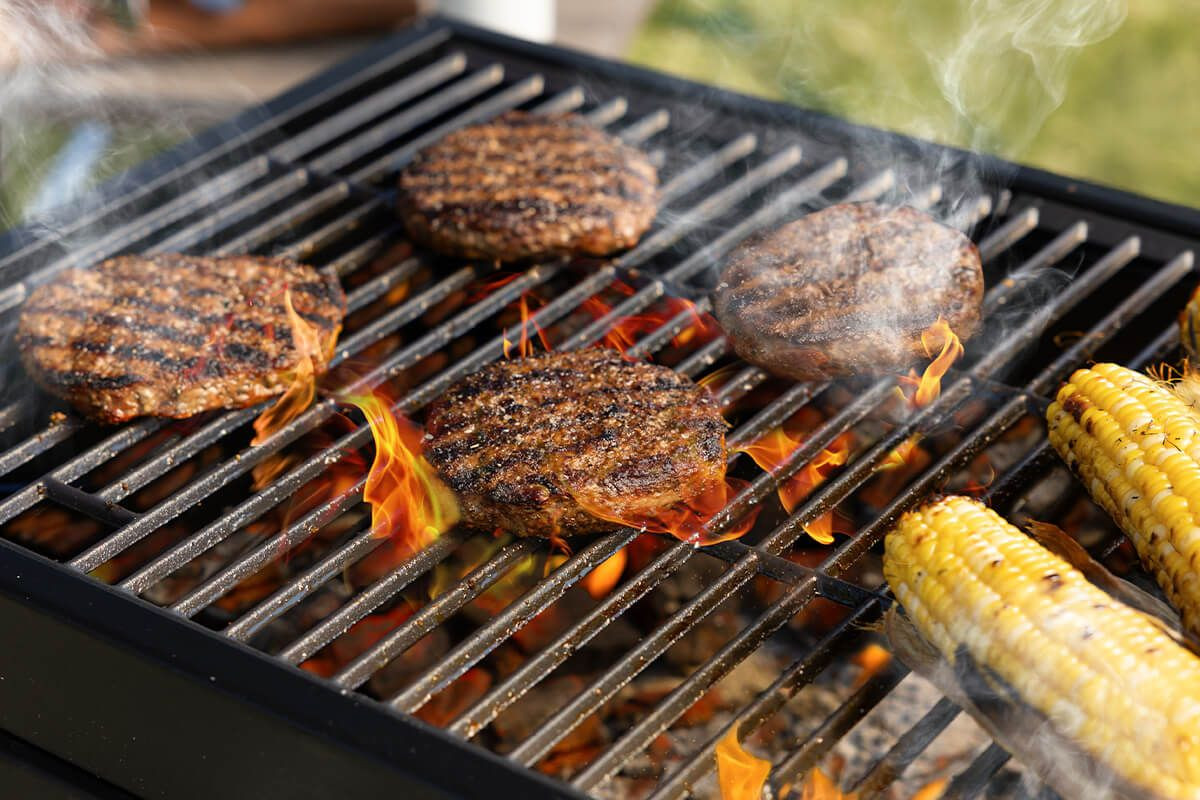
Level Up Your Filet
from Certified Angus Beef Chef Ashley Breneman
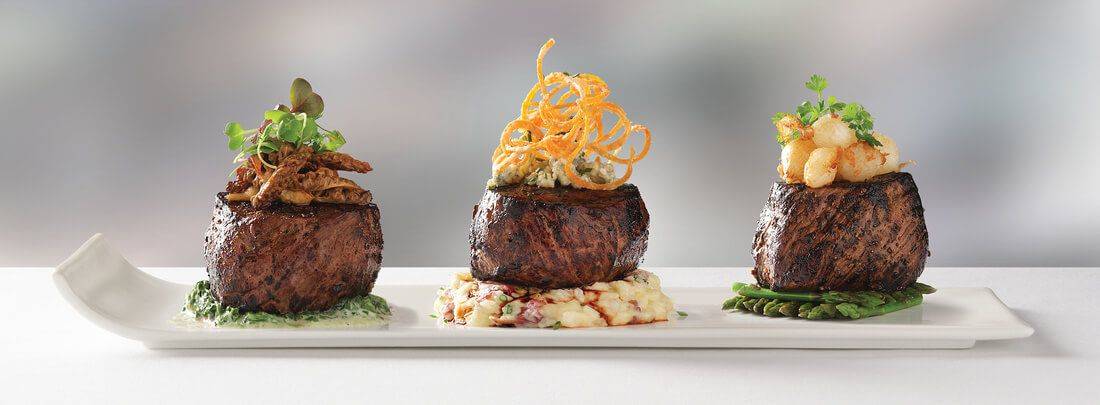
It’s so tender you can cut it with a fork. Prepared simply with salt and pepper, the beefy taste and texture complement the perfect-portion size. The juicy flavor of the classic tenderloin filet melts in your mouth as you to reach for another bite.
Often a restaurant favorite, a filet in your own kitchen can be intimidating.
Certified Angus Beef® Executive Chef Ashley Breneman breaks down types of filets and how to prepare them at home to celebrate National Filet Day.
‘Filet’ is not a cut of beef
Yep, you read that correctly.
“Filet is a style of beef cut presentation,” Breneman explains. “The filet presentation can be used for multiple cuts. The most popular is the tenderloin filet—more traditionally called filet mignon.”
Others include the ribeye filet, strip filet and sirloin filet.
Synonymous with the baseball cut, the round shape of the tenderloin filet is usually about four ounces of beef, creating a near-perfect portion for many.
“Serving a filet at a restaurant or in a large group setting is a nod to being polite,” Breneman says. “It’s a more normal portion size, usually creates less waste, and someone can always have two if they want more beef on their plate.”
If planning a fancy dinner party but you don’t want to break the bank on tenderloin filets, Breneman suggests sirloin or strip filets.
“The most expensive doesn’t always mean the best.” Breneman cautions. “It depends what you’re aiming to create with your beef. The tenderloin is going to be the most expensive and fanciest, but do you have enough experience cooking or grilling the filet to make the spend worth it for you?”
Selecting a filet in the grocery store can be as easy as asking the butcher behind the counter to help pick out one that will match your skills and who’s coming to dinner.
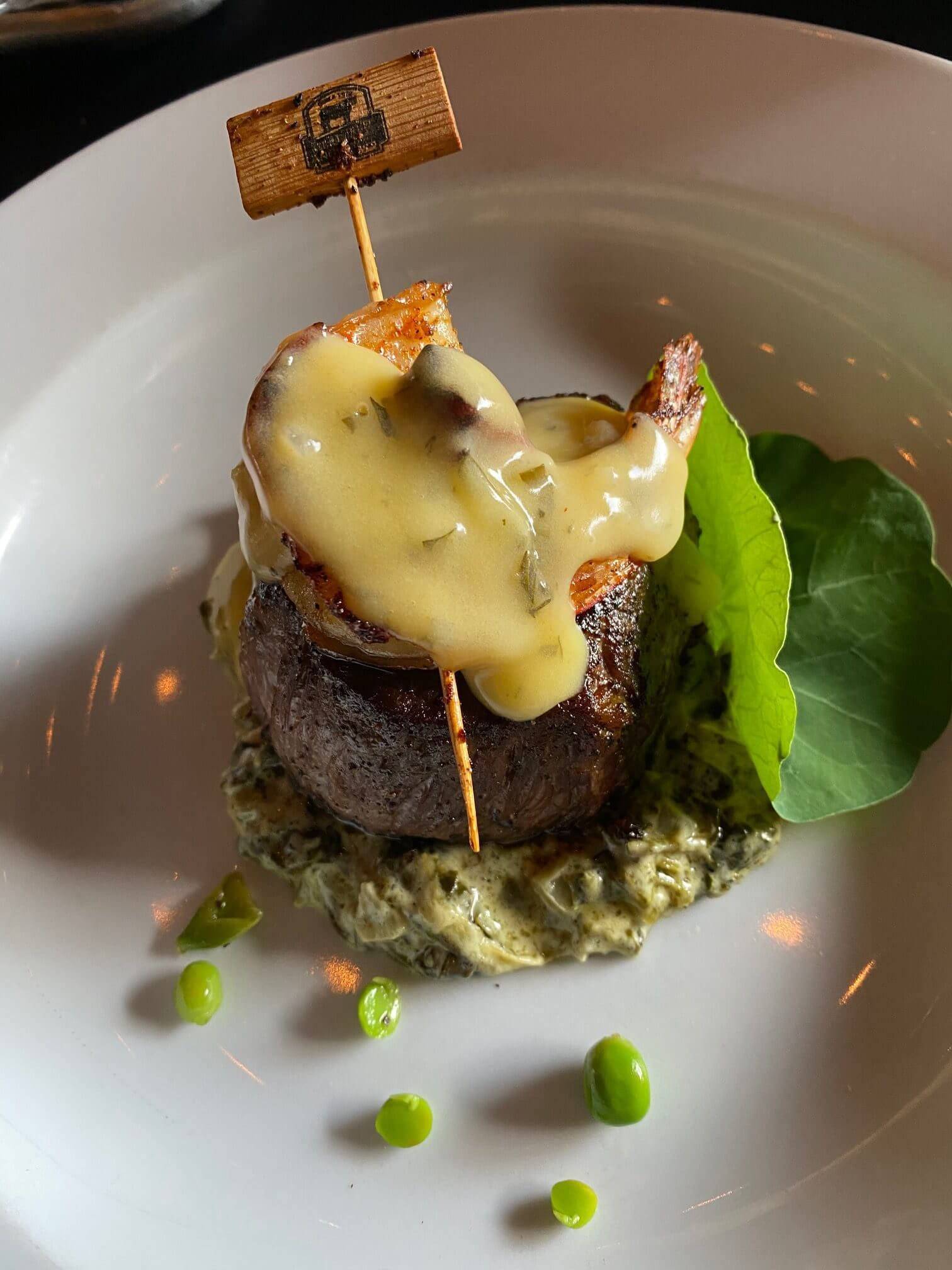
Finding your filet
Breneman categorizes the four most popular filets into three levels of preparation experience.
“If you’re new to filets, the sirloin filet is a great place to start,” she says.
The most affordable filet is still full of flavor and a good cut to experiment with marinades and seasonings. With a bit more marbling (those white flecks of fat that melt when cooking), it adds an extra layer of protection against overcooking. This cut also easily slices thin to top salads or use other ways.
Ready to level up? The strip filet is Breneman’s personal favorite.
“It’s lean but still full of flavor,” she explains. “There’s less prep needed with this cut, because there’s less connective tissue and fat to trim.”
Her favorite way to prepare it is with salt and pepper, seared in a cast iron.

“The crust makes it absolutely delightful,” she says.
For experts in the kitchen or at the grill, the ribeye and tenderloin filets are cuts to consider.
“You need a baker’s mentality when working with the tenderloin,” Breneman says. “Be precise and gentle. And if you can grill it perfectly, you’ll be able to cut it with a fork.”
The protein structure is different across these cuts, especially the tenderloin, so Breneman cautions to be aware of how different techniques will impact these two filet types.
“Do not over-season or over-salt these cuts, and stay away from highly acidic marinades,” the chef cautions. “Because of how naturally tender they are, it could negatively affect the cooking and eating experience.”
Tips from the expert
No stranger to the filet, Breneman shares a few tips from her experiences in the kitchen.
“First, remember that every type of filet will cook differently,” she says. “Filets are all hand cut, so the exact size and shape may vary from steak to steak.”
Plan ahead. She recommends knowing how to cook—or how you’d like to cook—the cut before purchasing, especially the more expensive tenderloin filet.
Breneman says to pay close attention to the beef when it’s over heat and to use a thermometer to monitor doneness.
A filet means smaller portions and shorter cook times.
“The tenderloin filet will always ‘feel’ raw because of how naturally tender it is, so be sure to temp it to your desired degree of doneness,” she says.
If you’re wanting to bring the steakhouse home or impress guests, resting time is crucial.
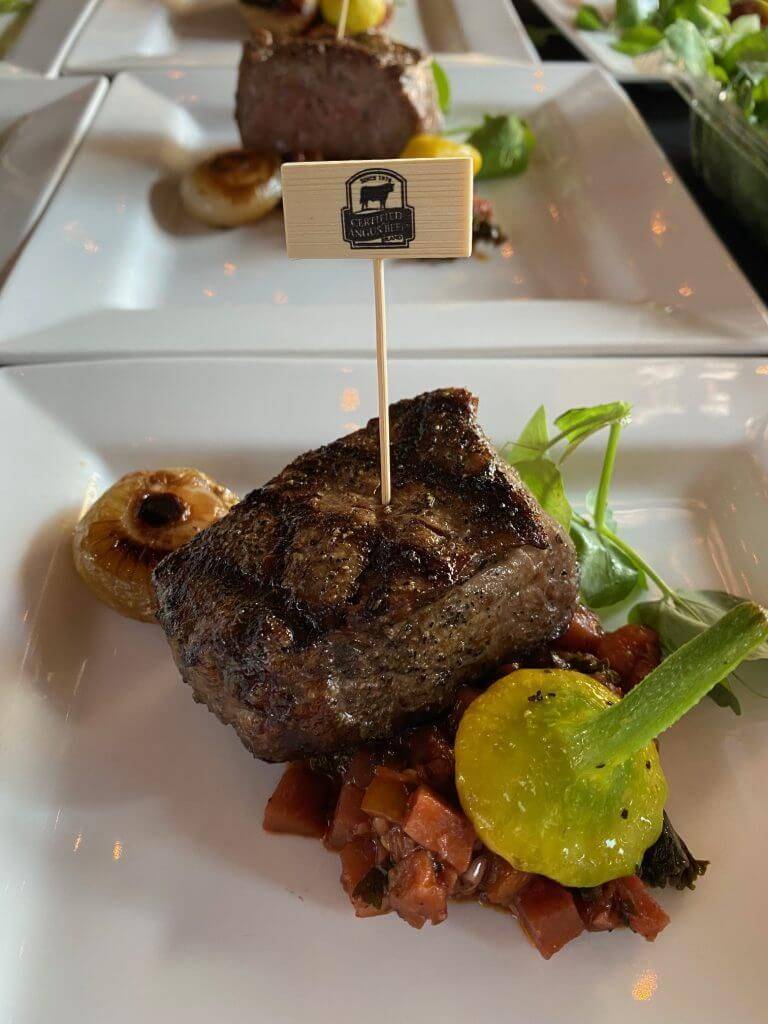
Filets will be juicy and tender when they are properly cooked and rested, explains Breneman. She recommends resting them for half the amount of time they were on heat. If you cooked them five minutes on each side for a total of 10 minutes, wait five minutes before slicing or serving.
As for seasoning and adding flavor to filets, she says “all you need is salt and pepper.”
It’s as simple as that.
Delicate, tender, juicy and a favorite among all, it’s no wonder the filet has a national holiday all to itself.